
Understanding the Causes of Wall Cracks in Georgia Homes
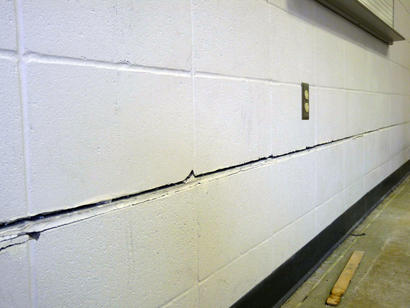
Cracks in your foundation walls can be unsettling, but they’re also incredibly common, especially in Georgia, where shifting soils, heavy rain, and high humidity put extra stress on your foundation. Before you worry about repairs, it helps to understand why these cracks show up and what they may be trying to tell you about your home.
Below, we break down the causes behind horizontal and vertical foundation cracks, why they form, and what each type typically indicates.
Horizontal Wall Cracks: What Causes Them?
Horizontal cracks run parallel to the ground and are often the most concerning type of wall crack. In Georgia’s climate, they commonly form due to:
1. Soil Pressure From Expansive Clays
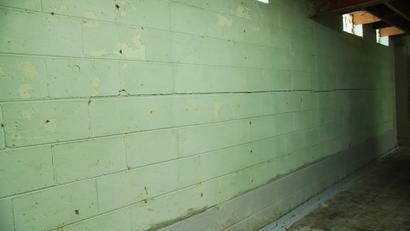
Much of the Atlanta area sits on dense, clay-heavy soil that swells dramatically when wet and shrinks when dry. When the clay expands, it pushes hard against foundation walls, creating inward pressure that can cause horizontal cracking.
2. Heavy Rain and Saturated Ground
Georgia’s frequent storms saturate the soil around your home, increasing hydrostatic pressure. This water pressure builds up along basement or crawl space walls, eventually forcing them to bow or crack horizontally.
3. Poor Exterior Drainage
If gutters overflow, downspouts dump water near the foundation, or the yard slopes the wrong way, soil stays excessively wet. Over time, this moisture buildup creates constant sideways pressure on the walls.
What It Means:
Horizontal cracks often indicate that the wall is under stress and may be beginning to bow or weaken. They are typically more serious than vertical cracks and should be evaluated promptly.
Vertical Wall Cracks: Why They Happen
Vertical cracks run up and down the wall. They’re usually less structurally severe and are often caused by:

1. Natural Foundation Settlement
As the soil under your home shifts or compacts—especially after dry seasons or long-term erosion—the foundation may settle unevenly, causing straight or diagonal vertical cracking.
2. Concrete Curing and Shrinkage
As concrete cures, it can shrink slightly. This natural process can lead to fine vertical cracks, especially in newer homes.
3. Temperature and Moisture Changes
Georgia’s hot summers and cool winters create expansion and contraction cycles within the concrete. Over time, this movement can create vertical cracking.
What It Means:
While vertical cracks are usually less serious, they can still allow moisture into the basement or crawl space. Monitoring them for growth or water intrusion is important.
Why Internal Wall Cracks Matter
Horizontal or vertical cracks seen inside the basement or crawl space can signal more active movement. When cracks widen, leak water, or appear alongside bowing walls, they may indicate that the soil around your home is placing more pressure on the structure than it can handle.
Concerned About Foundation Cracks? AquaGuard Is Here to Help
If you’ve noticed horizontal or vertical cracks forming or widening, it’s worth having them checked. AquaGuard has helped Georgia homeowners understand and resolve foundation problems for over 25 years. Our team can evaluate your foundation’s condition and explain what the cracks mean, clearly, honestly, and without pressure.
When you’re ready for answers, schedule a free inspection with AquaGuard.
Publish Date:
Last Modified Date:
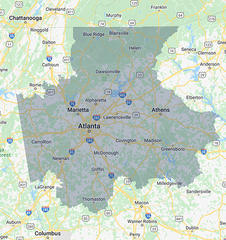
Our Locations
1 Huntington Rd., Suite 803,
Athens, GA 30606
875 Pickens Industrial Dr
Marietta, GA 30062
382 Senoia Rd
Tyrone, GA 30290
3205 South Martin St.,
East Point, GA 30344