
Driveway Leveling: What Are My Options?
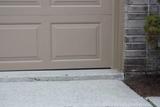
Your driveway is part of everyday life, so when it cracks or becomes uneven, safety, usability, and property value are affected.
Whether the problem involves minor cracking or more extensive damage, timely concrete repair is important. Choosing the right concrete crack repair method and materials helps restore a smooth, durable surface and prevent further deterioration.
This page explores the advantages and limitations of common driveway repair solutions to help you select the best approach for your home.
What is the Best Method For Concrete Leveling?
Concrete is one of the strongest building materials available, but it still depends on a stable base to perform well. Without well-compacted, supportive soil beneath it, concrete slabs can sink, shift, and crack over time. In Georgia, expansive soils are common, meaning they absorb water and swell after rainfall, putting additional stress on the concrete above. This pressure causes concrete driveway cracks. Here are four concrete leveling methods to consider when you want to address sinking concrete slabs:
1. Polyurethane Concrete Lifting Foam
Polyurethane concrete lifting foam is an advanced repair method used to address uneven or sunken driveways. This method involves injecting a high-density, waterproof polyurethane foam beneath the concrete, which then expands and lifts the slab back to its original position. The process is quick, minimally invasive, and provides a long-lasting solution for driveway leveling.
Polyurethane Foam Pros:
- Lightweight and waterproof
- Environmentally friendly
- Minimally invasive
- Fills voids
- Quick curing (within 15 minutes)
- Smooth finish
- Lasting results
Polyurethane Foam Cons:
- Variable soil conditions may impact performance
2. Mudjacking

Mudjacking, also known as slabjacking, is a more traditional concrete repair method that lifts and stabilizes sunken concrete surfaces. During the mudjacking process, a mixture of water, soil, and cement is injected beneath the affected concrete, serving as a concrete crack filler to seal voids and raise the slab.
Mudjacking Pros:
- Fills gaps and forms a sturdy base for concrete
Mudjacking Cons:
- Invasive and messy process
- Does not fill voids completely
- Lengthy cure time
- Cannot use concrete for several days
- Heavy material may cause slab destabilization over time
- Temporary solution
3. Full Concrete Replacement
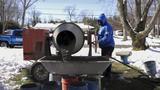
Concrete replacement is an effective solution for severely damaged or deteriorated concrete surfaces. When cracks are too large or the structure is severely compromised, replacing the concrete entirely ensures a long-lasting driveway fix. This process involves removing the old, damaged concrete and pouring fresh material to restore the surface.
Concrete Replacement Pros:
- Brand new concrete slabs
- Smooth finish
Concrete Replacement Cons:
- Requires heavy equipment and excavation
- Extended downtime (long cure time and inability to use driveway)
- Heavy cement on top of unstable soil
- Expensive (sometimes costing $5,000 or more)
4. Asphalt Overlay
An asphalt overlay is a cost-effective solution for rejuvenating aging or damaged asphalt surfaces without the need for complete replacement. This process involves applying a new layer of asphalt over the existing surface, effectively smoothing out imperfections and improving the overall appearance and functionality. It is particularly useful for driveways and parking lots that have minor cracks or surface damage.
Asphalt Overlay Pros:
- Relatively inexpensive
- Less invasive
- Fills potholes
- Smooth finish
Asphalt Overlay Cons:
- Adds weight to soil
- May worsen underlying issues
- Not suitable for severely damaged slabs
- Concrete expansion joints can shift over time, causing asphalt to crack or become uneven.
Can I Repair My Own Driveway?
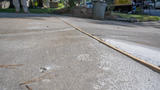
Concrete leveling might sound like something the average homeowner could do on their own. We strongly advise against DIY concrete repair, as it could make damage worse.
This is a job that should only be handled by professionals like our team at AquaGuard. It’s safer to leave the “heavy lifting” to pros. Contact us today for a free inspection and no-obligation estimate for concrete crack repair customized to meet your needs.
3 Ways to Prevent Driveway Cracks from Worsening
While some driveway cracks and unevenness are common, there are a few ways you can prevent them from getting worse and better protect your concrete:
- Avoid Heavy Loads: Avoid heavy loads, such as large vehicles, which can cause driveway cracks.
- Install Proper Drainage: Ensure gutters, downspouts, and surrounding landscaping drain water away from your driveway and remain debris-free.
- Perform Regular Inspections: Regular driveway inspections identify damage before it becomes severe. Address issues promptly with local concrete lifting experts.
Contact AquaGuard Foundation Solutions for Expert Concrete Driveway Leveling

You have options for repairing a concrete driveway, and AquaGuard Foundation Solutions is committed to helping you through the process.
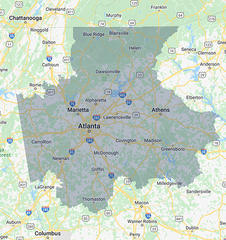
For almost 30 years, we’ve been helping homeowners in Northern Georgia repair and protect their concrete structures. With our industry-leading concrete leveling services, we can do the same for you.
Contact us today to schedule a free inspection and get back to using your driveway the way it was meant to be!
Concrete Leveling FAQs
Signs that your driveway may need leveling include visible cracks, sinking sections of concrete, pooling water, and tripping hazards. If you notice any of these issues, contact AquaGuard for a free inspection and to learn more about how your driveway could benefit from leveling.
When polyurethane foam injection is used for driveway leveling, it has little to no impact on your landscaping or yard. The process requires only small holes to be drilled into the concrete, avoiding large equipment or excavation that could disturb surrounding areas. The material is also eco-friendly.
Many factors impact the overall cost of driveway leveling, including the extent of the damage, the chosen repair method, and the cost of labor, materials, and permits. The average cost to level a driveway can range from $800 to $4,000 or more. Contacting AquaGuard for a free inspection and no-obligation repair estimate is the best approach to obtain exact pricing for your concrete leveling project.
*Disclaimer: “Concrete leveling” means the process by which cracked, uneven concrete is stabilized, and in many cases lifted, by means of PolyRenewal™ polyurethane foam. AquaGuard Foundation Solutions does not guarantee that PolyRenewal™ can make your concrete perfectly level.
Related Resources

Publish Date:
Last Modified Date:
Our Locations
1 Huntington Rd., Suite 803,
Athens, GA 30606
875 Pickens Industrial Dr
Marietta, GA 30062
3205 South Martin St.,
East Point, GA 30344