
Sump Pump Installation: How it Works
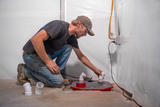
A sump pump is essential for collecting groundwater and preventing basement flooding, especially in areas like Georgia, where heavy rains are common. It offers homeowners peace of mind by automatically redirecting water away from their homes, keeping basements and crawlspaces dry.
Here, we’ll look at how our professional team installs sump pumps as part of our basement waterproofing solution.
The Sump Pump Installation Process
The sump pump installation process involves several steps.
Step 1: Sump Pit Set-Up
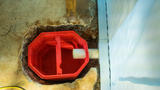
First, we dig a hole for the sump pump pit, which holds the sump pump itself. It keeps the sump pump safe from mud and gunk that could damage it.
Sump pumps work best at removing water when they’re installed at the lowest point of the basement.
Step 2: Perimeter Drain Installation
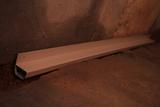
We install a drain around the inside perimeter of your basement. This drain catches water from where the basement walls meet the floor, the walls themselves, and under the floor, and then sends it to the sump pump.
We start by breaking up the floor around the basement’s edge, laying down some clean stones, and then putting the drain on top. After that, we cover it with more stones. Our BasementGutter™ drainage system also has a lip that goes a few inches up the wall to better catch any water leaking from the walls.
Step 3: Sump Pump Installation
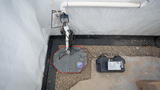
We connect the edge drain to the sump pump system and put clean gravel around the basin. This gravel prevents dirt and small particles from entering the system. The sump pump cover is tight and has special seals for the pipes and wires, reducing odors and moisture and preventing debris entry.
If you’re getting an extra pump, we’ll put in another pipe for it. This ensures the pipes don’t get too full and the pumps don’t just move water back and forth. We make sure these pipes don’t connect inside your house!
Step 4: Clean-Up
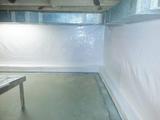
After the pump is installed, we restore the area to a clean state. If needed, we apply a vapor barrier, dehumidifier, or other waterproofing methods to complete the system.
What is a Sump Pump and What Does it Do?
A sump pump is an important device for preventing water from getting into your basement. It’s a necessary part of any home’s system for keeping basements dry. Typically, sump pumps are installed at the lowest part of a basement, where they sit in a sump pit. This pit collects any water that leaks into your basement.
When the water in the pit reaches a certain level, the sump pump automatically starts working. It pumps the water out of your home through a pipe, called a discharge line. This whole process is automatic, so you don’t have to worry about turning the pump on or off during a storm.
To make sure your sump pump is always ready when you need it, AquaGuard offers battery backups and alarms. This means even if the power goes out, your sump pump will keep working. The main job of a sump pump is to remove groundwater before it can cause problems for your home.
Why a Sump Pump is an Essential Waterproofing Tool
- Prevents flooding due to rainwater and sewage backups
- Acts as a backup when gutter systems and other waterproofing measures fail to prevent water from entering your basement or crawl space
- Protects against mold growth, wood rot, electrical hazards, and other risks that flooding can present
- Helps regulate indoor humidity levels
Sump Pump FAQs
While it’s technically possible for a homeowner with good DIY skills to install a sump pit and pump, it’s recommended to work with a professional. Proper installation requires knowledge of your home’s foundation, local building codes, and the ability to perform excavation and plumbing work.
Sump pumps do not typically consume a lot of electricity. Their power usage depends on the horsepower of the pump and how often it needs to run. On average, the cost to operate a sump pump is relatively low compared to the cost of repairing flood damage.
Sump pumps typically have a lifespan of about 10 years, depending on the model, usage, and how often it operates. Regular maintenance can extend its life, but it’s wise to consider replacement every 7-10 years to ensure reliability.
Professional Sump Pump Installation Services from AquaGuard

At AquaGuard, we pride ourselves on delivering high-quality, time-conscious basement and crawlspace waterproofing services. Because weather conditions can change in an instant, we are committed to providing fast and simple sump pump installation—your entire system will be installed in just one visit!
Contact us today to schedule a free inspection. Don’t let basement water ruin your living space or personal possessions—get a sump pump installed by our professional team to restore your peace of mind!
Related Resources
Publish Date:
Last Modified Date:

Our Locations
1 Huntington Rd., Suite 803,
Athens, GA 30606
875 Pickens Industrial Dr
Marietta, GA 30062
3205 South Martin St.,
East Point, GA 30344