
Proposed Zoning Changes in Cobb County: Things to Know Before Adding an ADU

Cobb County recently considered new zoning changes that could impact homeowners looking to add accessory dwelling units (ADUs) to their properties. These changes aimed to simplify the process of building backyard ADUs while maintaining neighborhood standards.
While this most recent proposal was withdrawn from consideration, similar changes could come in the future. Before you move forward with plans to expand your foundation with an accessory dwelling unit, here are the key aspects to consider.
What Are ADUs and Why Are They Important?
Accessory dwelling units, also known as ADUs, are smaller, secondary housing structures built on the same lot as a primary residence. Common examples include garage apartments, backyard cottages, or basement rental units. ADUs provide a versatile way to expand your rental portfolio, accommodating aging parents, adult children, or even tenants seeking affordable housing.
In Georgia, ADUs are increasingly popular as homeowners explore ways to maximize their property’s value and meet changing housing needs. These small, self-contained units can serve as long-term rental units or temporary living spaces for family members, making them a practical solution for today’s housing challenges.
Understanding the Proposed Zoning Changes
Cobb County does not currently allow ADUs on private residential properties. The proposed zoning changes would have permitted homeowners to build an accessory dwelling unit in their backyard, up to 850 square feet, as long as the homeowner lived in one of the two units on the property.
Following public opposition, these new zoning ordinances were withdrawn in November 2024. While ADUs can be useful for housing aged relatives, in-laws, or other family members, community members voiced concern about the impact new housing would have on existing neighborhoods.
Benefits of Adding an ADU in Cobb County
Adding an accessory dwelling unit to your property offers multiple benefits:

- Generate Additional Income: ADUs can serve as rental units, providing a steady source of income.
- Increase Property Value: Well-designed ADUs can enhance your property’s overall value.
- Support Multigenerational Living: ADUs allow families to stay close while maintaining independence.
- Flexibility for Change: ADUs offer versatile solutions for a home office, guest suite, or rental space.
Potential ADU Challenges to Keep in Mind
While ADUs offer many advantages, there are some considerations to weigh before committing to a project:
- Foundation Requirements: Assess environmental factors, such as soil stability, to determine which foundation type is best (e.g., slab, crawl space, or raised). Ensure compliance with local building codes and engineering standards.
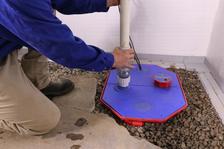
- Impact on Water Drainage: As with any property, you must plan for basement waterproofing and interior drainage systems to prevent water pooling and potential flooding. Remember to monitor changes in water runoff patterns due to new construction.
- Driveway Expansion and Concrete Concerns: Determine whether additional parking or driveway space is required by zoning rules, and plan accordingly for the added cost to your project. Also, be sure to address potential issues like cracked driveways or sinking slabs.
- Construction Impacts on Existing Structures: It’s essential to evaluate how excavation or construction vibrations may affect nearby buildings. Plan for noise, dust, and accessibility disruptions during construction.
Planning ahead and consulting with professionals can help you navigate these challenges and ensure your ADU project runs smoothly.
Contact AquaGuard for Expert Foundation Repair & Waterproofing

While new county zoning ordinances have yet to be approved, these proposed changes could significantly impact how Cobb County homeowners and renters view accessory dwelling units in the future. If you’re considering adding an ADU unit in the future, it’s best to stay informed on current policy initiatives.
In the meantime, if your existing property needs a professional boost, the experts at AquaGuard Foundation Repair are ready to help.
Contact our team today if you have concerns about your home’s safety and stability.
Foundation Repair FAQs
During an inspection, a structural engineer will visually examine your property, identify any signs of structural damage, and determine the severity of issues. They’ll provide a detailed report outlining their findings, recommendations, and next steps.
Foundation repair doesn’t increase your home’s value. However, if your foundation does become damaged, its property value will go down significantly.
Foundation repair restores your home’s value and prevents it from getting lower in the future. It’s still a worthwhile investment for that reason.
No house is 100 percent perfect. It’s possible the house you want to buy could have foundation damage and other problems.
It shouldn’t be a total dealbreaker, but you must consider the importance of fixing these issues for the sake of your safety and your home’s structural integrity.
Be aware that even though sellers aren’t legally required to submit a property disclosure statement, it is strongly recommended. This is something you can and should request when buying a house in Georgia.
Related Resources


Conor Battles
Publish Date:
Last Modified Date:

Our Locations
1 Huntington Rd., Suite 803,
Athens, GA 30606
875 Pickens Industrial Dr
Marietta, GA 30062
3205 South Martin St.,
East Point, GA 30344