
Slab Settlement and Why it Happens
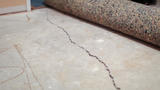
When slab settlement occurs, it often causes uneven surfaces, cracking, and structural stress. On this page, you’ll learn the most common causes of slab settlement, including soil moisture changes, wash-out, and poor compaction.
Understanding the problem is the first step to choosing the slab settlement repair option that’s right for your home.
What is Slab Settlement?
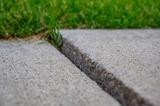
Slab settlement refers to the movement a concrete slab experiences when the soil beneath it can no longer support its weight. As the soil becomes unstable, slabs shift, causing cracks, settlement, and safety hazards.
Below, we focus on the three factors affecting concrete slab settlement.
1. Changes in Soil Moisture Content
Two very common soil types are sandy soil and expansive clay soil. Sand is not greatly affected by moisture, but it does eventually wash away.
When wet, clay holds water and expands in size; when dry, it does the opposite…it shrinks. Soil dries out for many reasons: drought conditions, tree roots taking up all of its moisture, and leaking HVAC systems under your floor slabs. When the soil beneath your concrete slab shrinks, it creates empty space for the concrete slab to settle into. This creates cracks and uneven concrete.
2. Soil Wash-Out Beneath the Slab
As water moves beneath your concrete slab, it can wash away the soil supporting the concrete. This is caused by plumbing leaks, erosion, heavy rains, and numerous other reasons. If water continues to wash underneath concrete, it will eventually leave nothing left to support the concrete…resulting in sinking and caving.
3. Poorly Compacted Fill Soil
When a home is being constructed, the soil is usually moved or spread to ensure the entire plot is at the desired grade level. When the concrete slab is poured on top of this loose soil, it compresses and settles the soil. When the soil moves like this, it causes concrete to crack and sink.
How to Fix Slab Settlement
Polyurethane foam injections restore stability to concrete slabs by stabilizing the soil beneath them. This lightweight, eco-friendly solution fills soil voids and lifts slabs to a level position, restoring strength and stability.
Polyurethane concrete lifting foam is a permanent solution for slab settlement in driveways, sidewalks, patios, porches, and pool decks. In more extreme cases, slab piers are used for robust stabilization beneath concrete slabs.
Foundation repair experts provide free inspections to determine which solution best suits your home.
Contact AquaGuard for a Free Concrete Slab Inspection
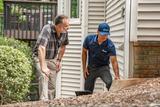
Many factors impact slab settlement in homes and commercial structure. Aquaguard’s certified foundation repair experts diagnose these issues and recommend customized solutions that best fit your needs and budget.
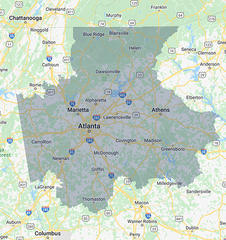
Contact us today for a free concrete inspection in Atlanta. We look forward to working with you!
Slab Settlement FAQs
To fix a sinking concrete slab, slab piers can be installed beneath the slab to provide stabilization and potentially lift the slab back into place.
No, our innovative PolyRenewal™ system is designed to lift and repair your existing concrete slabs without demolition. This method requires only minimal drilling, making it a non-invasive, efficient, and cost-effective solution.
Depending what repair method is used, professionally leveled concrete can last for many years with proper maintenance. Factors like soil movement, freezing/thawing, and heavy loads can cause slab settlement to occur. Ongoing cracking should be evaluated. To learn more about concrete leveling, particularly with long-lasting polyurethane injections, contact AquaGuard for a free inspection and estimate.
*Disclaimer: “Concrete leveling” means the process by which cracked, uneven concrete is stabilized, and in many cases lifted, by means of PolyRenewal™ polyurethane foam. AquaGuard Foundation Solutions does not guarantee that PolyRenewal™ can make your concrete perfectly level.
Related Resources
Publish Date:
Last Modified Date:
Our Locations
1 Huntington Rd., Suite 803,
Athens, GA 30606
875 Pickens Industrial Dr
Marietta, GA 30062
3205 South Martin St.,
East Point, GA 30344