
Hydrostatic Pressure Explained: What It Is and How to Prevent It
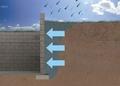
Are you familiar with hydrostatic pressure? It’s a significant issue affecting basements across the country, and it can cause major problems if it affects yours.
At AquaGuard Foundation Solutions, we specialize in resolving basement issues. We’ve put together this expert guide to help you understand what hydrostatic pressure is and the waterproofing solutions that safeguard your basement.
What Is Hydrostatic Pressure?
Hydrostatic pressure is the force exerted by water against any surface it contacts, typically affecting basement walls and foundations. It occurs when water accumulates in the soil around your home, pushing against the structure, such as your basement wall.
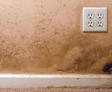
This pressure can make cracks in your home’s foundation, which is bad news. Recognizing signs early, like water stains or cracks, can save you a lot of trouble.
What Causes Hydrostatic Pressure?
The type of soil around your home and the weather can both create hydrostatic pressure. If water can’t drain properly because of clay-heavy soil or lots of rainfall, it builds up against your home.
Also, if your basement waterproofing is nonexistent or poor quality, hydrostatic pressure has an easier time developing. It’s worth investing in basement waterproofing options to avoid serious damage (and repair expenses) in the future!
Impacts of Ignoring Hydrostatic Pressure
Ignoring hydrostatic pressure can lead to serious damage, including bowing basement walls and cracking. This creates unsafe conditions and could potentially lower your home’s value.
4 Ways to Prevent Hydrostatic Pressure
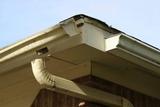
Tip 1: Improve Home Drainage
One of the best ways to prevent water damage is to keep water away from your home’s foundation. Make sure your gutters are clean and that the downspouts send water at least five feet away from your house.
Also, the ground near your home should slope away to stop water from gathering by your walls. Lastly, consider adding an attachment to your discharge lines to prevent freezing, so that even in cold weather, the water your sump pump expels can still flow out of your basement.
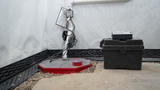
Tip 2: Use a Sump Pump System
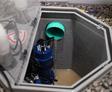
Basement sump pumps collect and drain water away from your home’s foundation, sending it outside to prevent basement damage. It’s a good idea to install a sump pump if you often find water in your basement.
As water collects around your basement, the sump pump gathers any that gets inside and moves it away, keeping your basement dry.
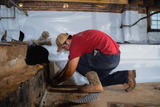
Tip 3: Install a Wall Vapor Barrier
Another effective way to keep your basement dry is by putting up a wall vapor barrier. This barrier is a plastic, waterproof material that covers your basement walls and blocks moisture from getting through. You essentially wrap your basement in a protective shield.
Setting up a vapor barrier is a simple and effective way to ensure your basement remains dry and free of moisture. It also helps keep your home healthier by preventing mold growth.

Tip 4: Invest in Wall Repair Options
Hydrostatic pressure puts a ton of stress on your basement walls, and they may need to be strengthened. At AquaGuard Foundation Solutions, we offer various wall repair options, including wall anchors, carbon fiber reinforcement, and steel I-beams.
These techniques help support your walls against hydrostatic pressure and other forces. Wall anchors can pull curved walls back into place, carbon fiber straps can stop further bending and cracking without taking up much space, and steel I-beams offer strong support.
Hydrostatic Pressure FAQs
Seasonal changes and local climate significantly influence hydrostatic pressure; for instance, wet seasons and areas prone to heavy rain or snowfall typically see higher levels of hydrostatic pressure. Awareness of these factors is key to implementing the best preventive measures.
Hydrostatic pressure can significantly reduce the lifespan of a basement by causing long-term moisture issues, cracks, and structural damage. Proper maintenance and waterproofing can help extend the life of the basement.
Building codes often require specific waterproofing and drainage measures to manage hydrostatic pressure, especially in areas prone to heavy rainfall or where soil retains water. It’s best to check local laws and codes to see if this applies to your property.
Schedule a Free Basement Inspection With AquaGuard

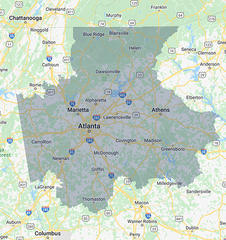
If basement water and hydrostatic pressure affect your home, it’s time to call the experts. AquaGuard Foundation Solutions has been helping homeowners in Northern Georgia since 1995.
We’re a trusted source for basement waterproofing with over two decades of service and thousands of completed jobs.
Contact us today to schedule a free inspection and protect your basement!
Related Resources
Publish Date:
Last Modified Date:
Our Locations
1 Huntington Rd., Suite 803,
Athens, GA 30606
875 Pickens Industrial Dr
Marietta, GA 30062
382 Senoia Rd
Tyrone, GA 30290
3205 South Martin St.,
East Point, GA 30344