
The Importance of a Sump Pit
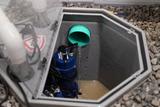
A dry basement is essential for your family’s health and safety, as water seepage can cause mold growth and foundation damage.
Here, we explain how sump pits work and why they are a critical component in effective basement waterproofing systems.
What Does a Sump Pit Do?
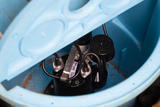
Sump pits collect water that infiltrates the foundation. Having one is crucial during heavy rainfall or periods of rapid snowmelt, when water accumulates around the base of your home.
Within a sump pit lies a sump pump, which activates automatically once captured water reaches a certain level. Upon activation, the pump removes the water, redirecting it away from your home through a designated discharge pipe.
This process helps keep a basement dry and protects the walls and structure from water damage, and prevents mold growth. In short, the sump pit plays a pivotal role in your basement’s overall safety.
How to Maintain a Sump Pit
To ensure your sump pump remains in good working order, it’s crucial to protect it from debris and external elements that could cause damage. Here are some tips and tricks:
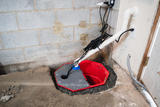
- Use a High-Quality Liner: Invest in a durable liner for your sump pit. This liner is a barrier that prevents mud, silt, and small stones from reaching the pump. A quality liner can significantly extend the life of your sump pump.
- Install a Proper Lid: A robust, airtight lid is essential for keeping moisture out of your basement and ensuring the safety of children and pets. Some lids come with rubber gaskets to seal the pit, preventing humid air from escaping.
- Regular Cleaning: Periodically, remove the pump and clean the pit and the pump itself. This helps to remove any debris that might have bypassed the liner and prevents mold growth inside the pit.
- Gravel Base: Placing a layer of gravel at the bottom of the pit before installing the liner can help improve drainage around the pump, reducing the risk of clogging.
Maintaining the Float Switch
The float switch is a critical component of your sump pump system. It’s what allows the sump pump itself to function properly. Here’s how to ensure it operates better:
- Correct Positioning: Make sure there’s enough room in the sump pit for the float switch to move freely without obstruction. This ensures it can accurately gauge water levels and activate or deactivate the pump as needed.
- Regular Inspection: Check the float switch periodically to ensure it’s not stuck or hindered by debris. A malfunctioning float switch can cause the pump to fail to activate or run continuously, resulting in either basement flooding or premature pump failure.
- Adjustment: Adjust the float switch settings if necessary to ensure the pump activates at the appropriate water level. This prevents short cycling, which can cause premature wear.
- Replacement: Consider replacing the float switch with a more durable model if you experience frequent failures. Some switches are designed for heavier use and provide more reliable operation.
Testing the Pump
Regular testing is key to maintaining a reliable sump pump system. Here are some steps and tips:
- Monthly Testing: Make it a habit to test your sump pump monthly by pouring a bucket of water into the pit until the pump activates. This simple test can alert you to any potential issues.
- Listen and Observe: When testing, listen for any unusual noises and observe the pump’s performance. Strange sounds or slow operation can indicate a problem.
- Battery Backup: If your sump pump has a battery backup, test this system as well, especially before the rainy season. This ensures your basement stays dry even during power outages.
- Professional Inspection: Annually, consider having a professional inspect your sump pump system. They can perform a comprehensive check, including testing the backup system, checking the electrical wiring, and ensuring the discharge line is clear and functioning correctly.
By following these tips and tricks, you can significantly extend the life of your sump pump, ensuring your basement remains dry and your home is protected from water damage.
Why Keep Your Basement Dry?
When moisture enters your basement, it creates an ideal environment for mold growth and musty odors, and can lead to health issues and respiratory conditions, such as asthma or allergies.
Basement mold can affect the air quality throughout your entire house. Moreover, water in your basement poses a significant risk to the structure of your home. Over time, basement moisture can cause high humidity and significant problems.
Basement water damage compromises your home’s structural integrity and leads to costly repairs. A dry basement, however, becomes valuable living space, whether as a family room, home gym, or office, increasing your home’s usable square footage and market value.
Sump Pit FAQs
It’s recommended to clean your sump pit at least once a year. This helps to remove any debris, sediment, or other materials that might have accumulated and could potentially clog the pump. Regular cleaning ensures the sump pump operates efficiently and extends its lifespan.
While it’s technically possible for a homeowner with good DIY skills to install a sump pit and pump, it’s recommended to work with a professional. Proper installation requires knowledge of your home’s foundation, local building codes, and the ability to perform excavation and plumbing work.
The size of a sump pit can vary based on a basement’s specific needs, but a typical residential sump pit is about 18 inches in diameter and 24 inches deep. This size is sufficient for most home sump pump systems, allowing enough room for the pump to operate effectively and handle high water volumes.
Professional Basement Waterproofing Solutions With AquaGuard

AquaGuard Foundation Solutions installs AquaStop Triple and Single sump pump systems to keep Georgia basements dry. These high-capacity systems handle heavy water flow and feature battery backup operation to continue protecting your home during power outages.
Contact our team today to schedule a free inspection and learn how a dry basement promotes a safe and healthy home.
Related Resources

Publish Date:
Last Modified Date:

Our Locations
1 Huntington Rd., Suite 803,
Athens, GA 30606
875 Pickens Industrial Dr
Marietta, GA 30062
3205 South Martin St.,
East Point, GA 30344