
7 Most Major Causes of Drywall Cracks
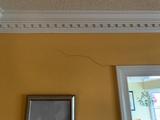
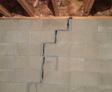
Drywall cracks or cracks in sheetrock are more than just cosmetic flaws—they signal potential structural issues in your home. While some may seem harmless, others indicate serious concerns like foundation settlement, moisture damage, or poor construction. Knowing why cracks appear on walls can help you take action before small issues turn into costly repairs.
In this guide, we’ll go over seven reasons why drywall cracks happen so you can understand what’s really going on and what foundation repair steps to take next.
Why do Cracks Appear on Walls?
Most often, cracks in drywall are a symptom of foundation settlement. However, drywall cracks can occur for several reasons not directly related to foundation damage. Let’s go over the most common causes so you know what to look out for.
1. Foundation Settlement
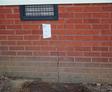
One of the biggest culprits behind drywall cracks is foundation settlement. In Georgia, clay-rich soil expands and contracts with moisture changes, causing the foundation to shift. This movement puts stress on walls and leads to cracks in drywall.
2. Temperature and Humidity Changes
Changes in humidity and temperature cause the wooden framing behind drywall to expand and contract. Over time, this movement weakens the drywall, leading to visible cracks, especially in homes with poor ventilation or extreme seasonal changes.
3. Poor Drywall Installation
Improper drywall installation, such as inadequate securing, incorrect taping, or failing to leave space for expansion, can lead to cracks. Even new homes can develop cracks in sheetrock if the drywall wasn’t installed correctly.
4. Structural Overload
Adding excessive weight to your home, such as converting an attic into a living space, without reinforcing the structure can cause stress that leads to drywall cracks. If your home wasn’t built to handle extra loads, it may start to show signs of strain.
5. Water Damage from Leaks
Water damage from roof leaks, plumbing issues, or basement flooding can weaken drywall and cause it to crack. If you notice water stains or mold near drywall cracks, moisture is likely the cause.
6. Vibrations and Impact
External factors like nearby construction, heavy traffic, or even constant door slamming can create vibrations that lead to drywall cracks over time.
7. Pest Damage
Termites and other pests that weaken the wooden framing of a house can indirectly cause cracks in drywall by compromising the structure’s integrity.
Understanding the exact cause of drywall cracks is essential for applying the correct repair methods and preventing further damage. The experts at AquaGuard have years of experience doing just that. Schedule a free inspection today.
How Does Foundation Settlement Lead to Drywall Cracking?
Since foundation settlement is the most common cause behind drywall cracks, it’s important to have a deeper understanding of what’s actually happening. When a home’s foundation moves, it causes all other supportive structures in the home to move.
This includes wall frames, flooring, and ceilings. With enough movement, these structures bend and crack over time. Let’s explore the process below.
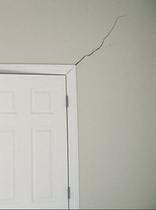
- Differential Settlement: Some areas of the foundation settle more than others, creating tension that leads to cracks in sheetrock.
- Structural Stress and Strain: When the foundation shifts, it transfers pressure through the walls and ceilings, causing drywall to crack.
- Uneven Load Distribution: A shifting foundation changes how weight is distributed, stressing on certain areas and leading to drywall cracks.
- Expansion and Contraction: Materials in your home naturally expand and contract, but foundation movement can exaggerate this process, causing cracks.
- Impact on Doors and Windows: Areas near doors, windows, and corners experience the most movement when a foundation shifts, making them more prone to cracking.
- Compromised Structural Integrity: Over time, unchecked foundation settlement can damage your home’s framing, leading to widespread drywall cracks.
Why is it Important to Fix Cracks in Drywall Right Away?
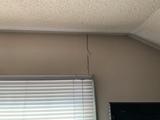
Fixing foundation-related drywall cracks early isn’t just about looks—it’s about protecting your home. These cracks can be warning signs of deeper structural issues. Ignoring them might allow foundation problems to get worse, leading to bigger cracks and costly repairs down the road.
Acting quickly can also save you money. The longer you wait, the more expensive your drywall repair can become. Plus, cracks can let in moisture and pests, which leads to mold, mildew, and higher energy bills. Addressing cracks right away helps keep your home safe, secure, and cost-efficient.
How to Fix Cracks in Drywall
The best way to repair drywall cracks permanently is to address the underlying foundation problem. AquaGuard specializes in foundation repair solutions designed to stabilize your home and prevent future drywall cracks.
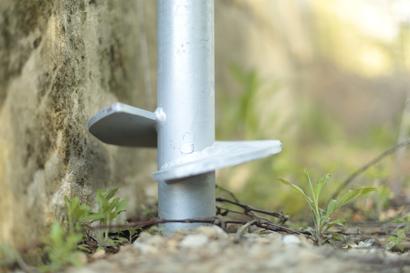
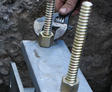
- Slab Piers: Ideal for homes with slab foundations, these piers provide direct support beneath the concrete, preventing further settlement.
- Push Piers: Best for homes with deeper soil layers, these piers anchor your foundation deep into stable ground with hydraulic lifts, preventing movement and reducing the chances of drywall cracks.
- Helical Piers: These uniquely shaped piers are designed to penetrate tough, rocky soil. The helical design digs around difficult terrain to create a stable foothold for your foundation.
No matter which foundation pier is used for your home, rest assured that they all provide unwavering support to its foundation. They will prevent future settlement and cracking in drywall.
Contact AquaGuard for Expert Drywall Repair Solutions!

If you notice drywall cracks, don’t wait for them to get worse. AquaGuard has the tools and know-how to repair them before they cause more damage.
Our team will assess your home’s unique needs and recommend the best foundation repair options to fix not just the cracks, but the root causes behind them. Contact us today for a free, no-obligation inspection.
Drywall Crack FAQs
Look for signs like cracks in walls, nail pops, tilting chimney, uneven floors, and doors and windows that won’t close properly. These can indicate foundation issues that AquaGuard can expertly assess and repair.
Yes, improper landscaping, especially inadequate drainage, can affect soil moisture levels, leading to foundation movement and subsequent drywall cracks. AquaGuard can help identify and rectify these issues.
Regular inspections, at least annually, can help catch early signs of foundation damage. AquaGuard provides professional inspection services to identify potential problems before they escalate.
Related Resources

Ted Dryce
Publish Date:
Last Modified Date:
Our Locations
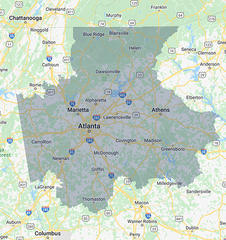
1 Huntington Rd., Suite 803,
Athens, GA 30606
875 Pickens Industrial Dr
Marietta, GA 30062
3205 South Martin St.,
East Point, GA 30344