
Basement Humidity
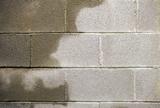
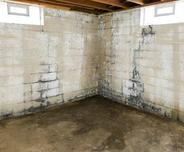
High humidity in your basement can create persistently damp conditions, and in Georgia’s naturally humid climate, this issue is especially common. Excess basement humidity can damage structural materials and may contribute to indoor air quality concerns.
As homeowners, we understand how stressful a damp basement can be. Our team provides reliable basement waterproofing services throughout Northern Georgia to help protect your home from moisture problems.
This page explores the problem signs and causes of basement moisture and how to address humidity at its source.
What Causes Basement Humidity?
Basements don’t become humid out of nowhere; there’s always a source of moisture. It primarily begins with water penetrating cracks in the basement wall or through leaky windows.
But it’s often more than just a small leak. To thoroughly understand basement humidity, let’s dig deeper into several factors that contribute to it.
Groundwater Seepage
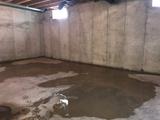
Groundwater surrounding your basement will slowly get in through porous materials like concrete. Northern Georgia receives significant rainfall each year (about 47 inches), which makes it a persistent issue for homeowners.
Groundwater levels vary with the seasons. The late summer months are usually the wettest, so watch for leaks after substantial rainfall. Snowmelt in winter also creates excess groundwater that could pose a problem.
Missing or Damaged Vapor Barriers
Vapor barriers are intended to block moisture from entering the space. If they have tears, gaps, or loose sections, they can no longer function effectively.
Vapor barriers are missing in many homes, which leaves basements more vulnerable to moisture. Installing one through a professional waterproofing service helps ensure proper placement and long-term performance.
Wall and Floor Cracks
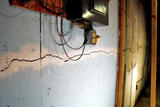
Cracks in basement walls and floors can be pathways for water. These cracks are often as thin as a coin, but they can expand, allowing more water to seep in.
Persistent water intrusion through these cracks can weaken the walls’ structural integrity and increase humidity.
Limited Ventilation
Poor air circulation leads to elevated humidity. Many basements, encased in concrete and lacking adequate ventilation, are prone to high humidity.
Without adequate ventilation or dehumidification, moisture remains trapped, potentially causing unpleasant musty odors.
Can Basement Humidity Be Controlled?
Basement humidity can be controlled by implementing waterproofing solutions, such as vapor barriers, sump pumps, and interior drainage systems.
For instance, our interior drainage system and other proven solutions prevent moisture buildup. When coupled with dehumidifiers and vapor barriers, this system ensures a dry, secure basement.
Ways to Prevent Basement Moisture
To permanently remove dampness and unpleasant odors, follow these steps:
Use a Dehumidifier
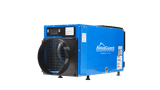
- Choose professional-grade dehumidifiers over consumer ones.
- Ensure dehumidifiers are connected to drainage.
- Our dehumidifiers are self-draining and can remove up to 100 pints of water per day.
Seal Cracks and Leaks
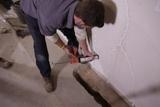
- Locate and seal wall cracks and leaks.
- Fix roof and plumbing leaks.
- Address structural concerns with wall stabilization methods.
Install Vapor Barriers
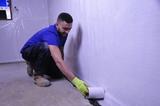
- Install vapor barriers to prevent moisture seepage through walls and floors.
- Choose durable, resistant materials and ensure proper installation.
- Seal seams tightly to prevent moisture infiltration.
Optimize Drainage
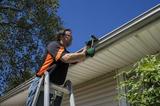
- Install gutters and downspouts, and ensure yard grading slopes away from the foundation.
- Employ interior drainage systems to effectively divert groundwater and seepage.
- Use gravel and perforated pipes for effective water collection and drainage.
Upgrade Sump Pumps
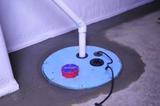
- Keep pumps in prime condition to drain water from the drainage systems efficiently.
- Upgrade sump pumps with backup battery power to prevent flooding during power outages.
- Integrate pumps with interior drainage systems to redirect water effectively.
AquaGuard of Northern Georgia uses advanced products and techniques to combat dampness at the source, promising greater efficiency and reliability than conventional products.
The Importance of Addressing Basement Moisture
Ignoring basement moisture is like ignoring a growing infection. It is critical to act swiftly to prevent lasting damage:
- Mold in your basement may degrade indoor air quality and cause allergic reactions.
- Prolonged damp conditions can erode metal fixtures and weaken wooden structures, compromising the foundation’s stability.
- Postponing action can exacerbate damage, leading to expensive repairs and replacements.
- Overburdened HVAC systems caused by high humidity can increase energy consumption, leading to high energy bills.
AquaGuard provides effective waterproofing solutions. Schedule a free inspection to learn more.
Contact AquaGuard of Northern Georgia for Proven Waterproofing Solutions

Don’t ignore humidity in your basement. AquaGuard provides proven waterproofing solutions designed to address the underlying moisture sources and protect your home long-term.
Contact us for a free inspection and no-obligation quote today!
Basement Waterproofing FAQs
If you notice water stains, mold growth, a musty smell, or visible water on the basement floor, it’s time to consider basement waterproofing solutions. These symptoms indicate moisture in the basement that can lead to more serious damage if not addressed.
Waterproof paint can temporarily block surface moisture, but it does not address deeper issues like water seepage through cracks or hydrostatic pressure. For long-term protection, more comprehensive solutions like interior drains and sump pumps are more effective.
DIY basement waterproofing can be cheaper upfront, but for more severe water problems, a DIY approach might end up being more costly in the long run due to potential for mistakes or failure to address the root cause. Professional waterproofing, while more expensive initially, offers a more reliable and lasting solution, potentially saving you money over time.
Related Resources
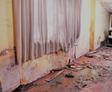
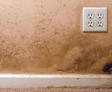
Explore more problem signs
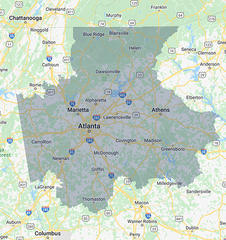
Our Locations
1 Huntington Rd., Suite 803,
Athens, GA 30606
875 Pickens Industrial Dr
Marietta, GA 30062
382 Senoia Rd
Tyrone, GA 30290
3205 South Martin St.,
East Point, GA 30344