
The Truth About Expansive Soil
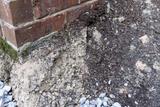
Expansive soils, rich in clay minerals, can cause serious problems for your home. During wet periods, these soils absorb water and expand, creating additional pressure on your foundation. When that pressure becomes too much for your foundation to withstand, it can lead to cracks, leaks, and a host of other related issues.
Nearly every home in Georgia is built on expansive clay soil. Recognizing the warning signs of excess moisture in the soil around your foundation is essential for protecting your home. Learn more and how AquaGuard’s proven foundation repair solutions can help.
The Problem with Hydrostatic Pressure
Hydrostatic pressure occurs when water accumulates in the soil around a building’s foundation. This pressure builds up as groundwater levels rise, often due to heavy rainfall, poor drainage, or a high water table. As water saturates the soil, it creates a force that pushes against the foundation walls, seeking the path of least resistance. This pressure can become significant, especially in poorly drained areas, leading to structural issues.
The effects of hydrostatic pressure on a foundation can be detrimental if not properly managed. Here’s a look at the potential damage to foundations from expansive soils:
Foundation Cracks
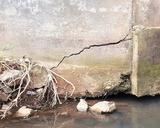
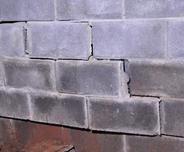
As groundwater accumulates, the increased pressure pushes against the walls, which may eventually lead to foundation cracks, especially in weaker or poorly constructed foundations. These cracks compromise the foundation’s structural integrity, leading to further damage if left unaddressed.
Bowing Walls
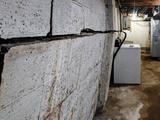
Bowing occurs when the hydrostatic pressure exceeds the foundation walls’ capacity to withstand it, causing inward bending of the walls and wall cracks. This indicates that the foundation is struggling to support the surrounding soil and water pressure. If left unaddressed, bowing walls can lead to significant structural instability, requiring extensive and costly repairs.
Water Intrusion
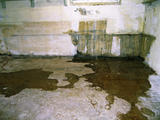
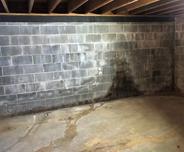
When cracks form in the foundation due to pressure, they create pathways for water to seep into basements or crawl spaces. This basement water infiltration can lead to damp conditions, promoting mold growth, wood rot, and other moisture-related issues that degrade the living environment and cause health problems.
Is Expansive Soil Common in Georgia?
Georgia’s soil, especially in regions like the Atlanta metro area, contains a high percentage of clay minerals, which are known for their expansive properties. These soils expand when wet and contract when dry, leading to cycles of swelling and shrinking that can cause substantial foundation issues. The hot, humid Southern climate is uniquely suited to exacerbate this problem, which means that proper foundation care is essential.
The construction process can also make soil management a challenge. When a foundation is built, the excavation site is often backfilled with loose soil. This allows more water to seep into the ground around the foundation, increasing the clay’s moisture content. This heightened expansion leads to greater structural stress, causing foundation problems to develop more quickly and severely.
Problems in Expansive Soils
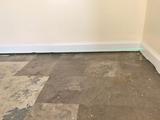
When it comes to protecting your home from expansive soil foundation issues, early detection is key. Here are some common warning signs that you may have an unsteady foundation on expansive soil:
How to Stabilize a Foundation on Expansive Soil
While the soil composition of Northern Georgia may be challenging, there are ways to mitigate its impact on your home’s overall health and stability. A few effective foundation repair solutions include:
Exterior Drainage
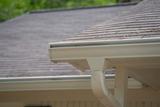
Your gutters and downspouts play a crucial role in protecting your foundation from hydrostatic pressure by effectively managing runoff. This helps minimize the amount of water that can accumulate around your foundation walls, preventing pressure from worsening after heavy rain. Additionally, landscaping measures such as maintaining proper yard grading or using small plants to absorb excess moisture can help.
Wall Anchors
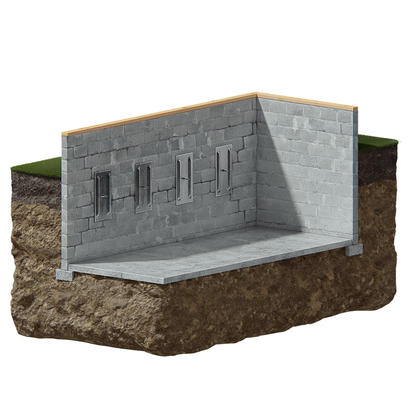
Wall anchors are used to stabilize and reinforce foundation walls that have already been affected by hydrostatic pressure, preventing further damage. These durable metal supports dig deep into the soil outside the foundation, providing a stable base. A wall anchor system pushes back against the hydrostatic force, pulling the wall back toward its original position and providing additional support to withstand future pressure.
Carbon Fiber Support Strips
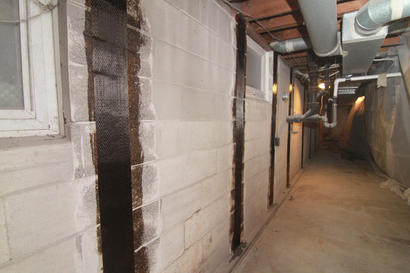
These durable carbon fiber strips are adhered vertically to the interior of the foundation walls using high-strength epoxy. Once in place, they provide additional tensile strength to the walls, preventing further bowing. Carbon fiber strips are easy to install and effectively distribute hydrostatic pressure-induced stress across the wall, enhancing its structural integrity and preventing future damage.
Contact AquaGuard for Lasting Foundation Repair
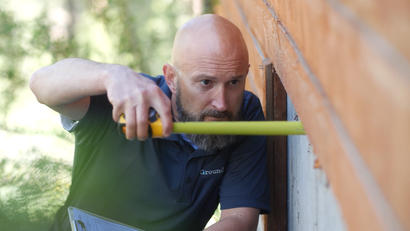
The foundation repair pros at AquaGuard Foundation Solutions know what it’s like to deal with expansive Georgia soil. Our team provides quality products and specialized solutions to restore foundations affected by hydrostatic pressure or to prevent damage by addressing the root causes.
Contact us today for a free foundation inspection from one of our trained and certified experts.
Hydrostatic Pressure FAQs
Hydrostatic pressure can significantly reduce the lifespan of a basement by causing long-term moisture issues, cracks, and structural damage. Proper maintenance and waterproofing can help extend the life of the basement.
Seasonal changes and local climate significantly influence hydrostatic pressure; for instance, wet seasons and areas prone to heavy rain or snowfall typically see higher levels of hydrostatic pressure. Awareness of these factors is key to implementing the best preventive measures.
Building codes often require specific waterproofing and drainage measures to manage hydrostatic pressure, especially in areas prone to heavy rainfall or where soil retains water. It’s best to check local laws and codes to see if this applies to your property.
Related Resources

Conor Battles
Explore more damage causes

Our Locations
1 Huntington Rd., Suite 803,
Athens, GA 30606
875 Pickens Industrial Dr
Marietta, GA 30062
3205 South Martin St.,
East Point, GA 30344